
A vast market, few buyers.
E-commerce already accounts for a fifth of global retail, yet structured buyers remain scarce. Many sellers, few buyers: entry prices are low.
A growing share of global retail.
Sources: Statista 2024, eMarketer 2024, Fevad 2024.
A profitable, overlooked asset class.
E-commerce is part of everyone's daily life, yet it is missing from most portfolios. Investors reach it through shares in large listed platforms, rarely by owning profitable stores directly.
The reason is simple. Running a store is a trade in its own right: customer acquisition, search visibility, supplier management, customer service, logistics. With few specialised operators, this know-how stays with merchants themselves, and few buyers can take over a store without disrupting it.
That imbalance is the opportunity. Sellers are many, structured buyers are few: stores change hands at 2 to 2.5× EBITDA, versus 8 to 12× in private equity. The return is in the entry price, and Breakwater opens it to qualified investors seeking a high, steady return backed by real assets.
How many years of earnings do you pay upfront?
Entry multiple by asset class. The shorter the bar, the lower the price paid relative to the earnings acquired. Each asset class has its own unit of measure.
Source: Breakwater Capital, European e-commerce M&A market. Indicative ranges.
Four structural reasons.
Retirement, a new venture, lack of time: every month, founders sell profitable stores, often for want of a buyer able to take them over.
Few buyers can close quickly, in cash, and keep operations running from the day after the sale.
Running a store is a trade in its own right. TakeMyShop practises it every day across more than one hundred stores in Europe.
Buying at 2 to 2.5× EBITDA, versus 8 to 12× in private equity, leaves most of the return to the investor, paid out as dividends.
A trade you cannot improvise.
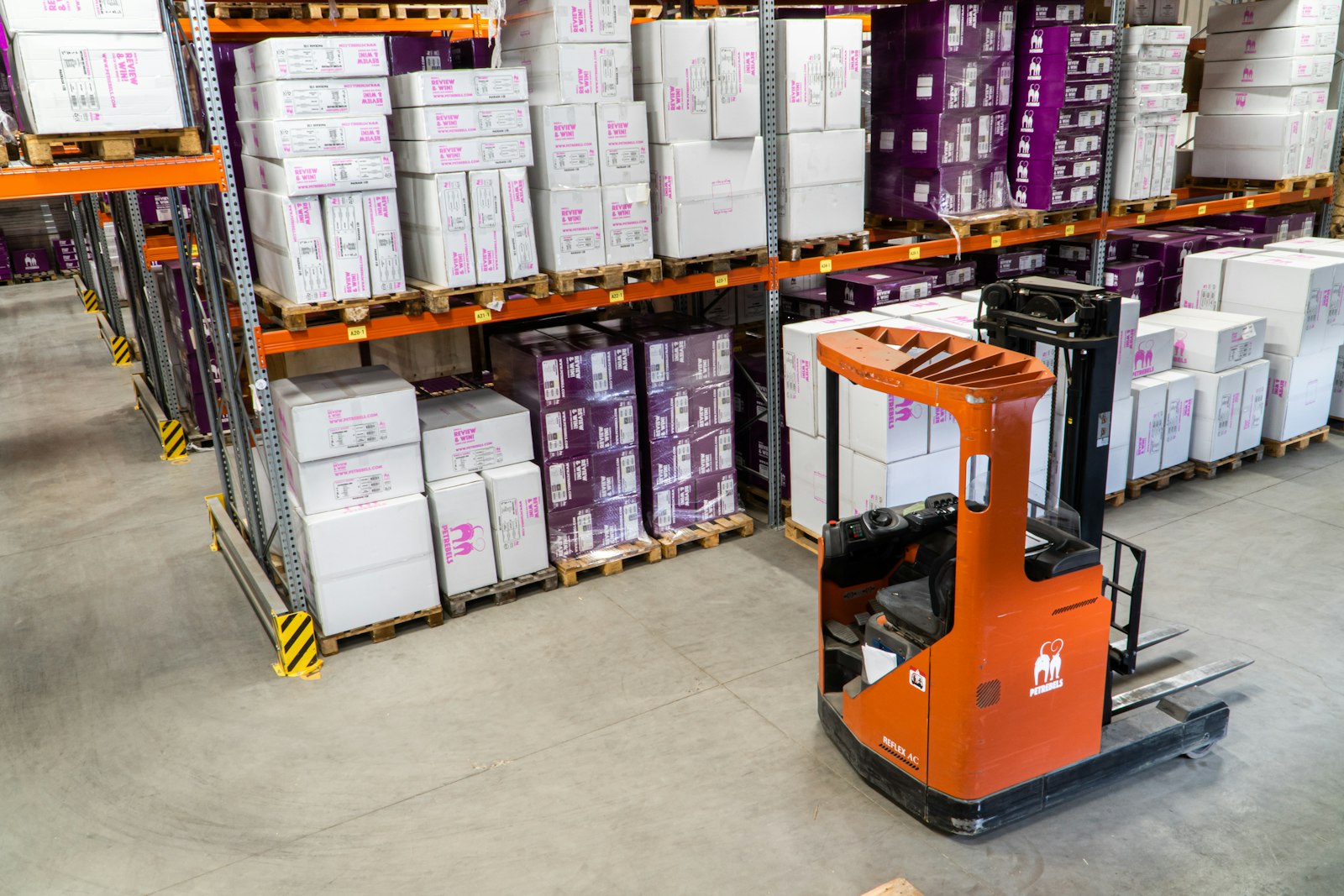
An investor buying a store alone has to run it, or hand it to a provider they do not know. Breakwater removes that hurdle: every store in the fund is run end to end by TakeMyShop from closing.
Before any acquisition, each opportunity goes through a TakeMyShop pre-audit of its metrics, traffic and profitability, followed by a full audit: financial, traffic, SEO, suppliers and legal. Audits are led by operators, executives who have scaled businesses and e-commerce experts, not by finance profiles new to the sector.
TakeMyShop and Lucrazia are paid 15% of revenue, so their fee grows with asset performance: the operator pulls in the same direction as the investor.
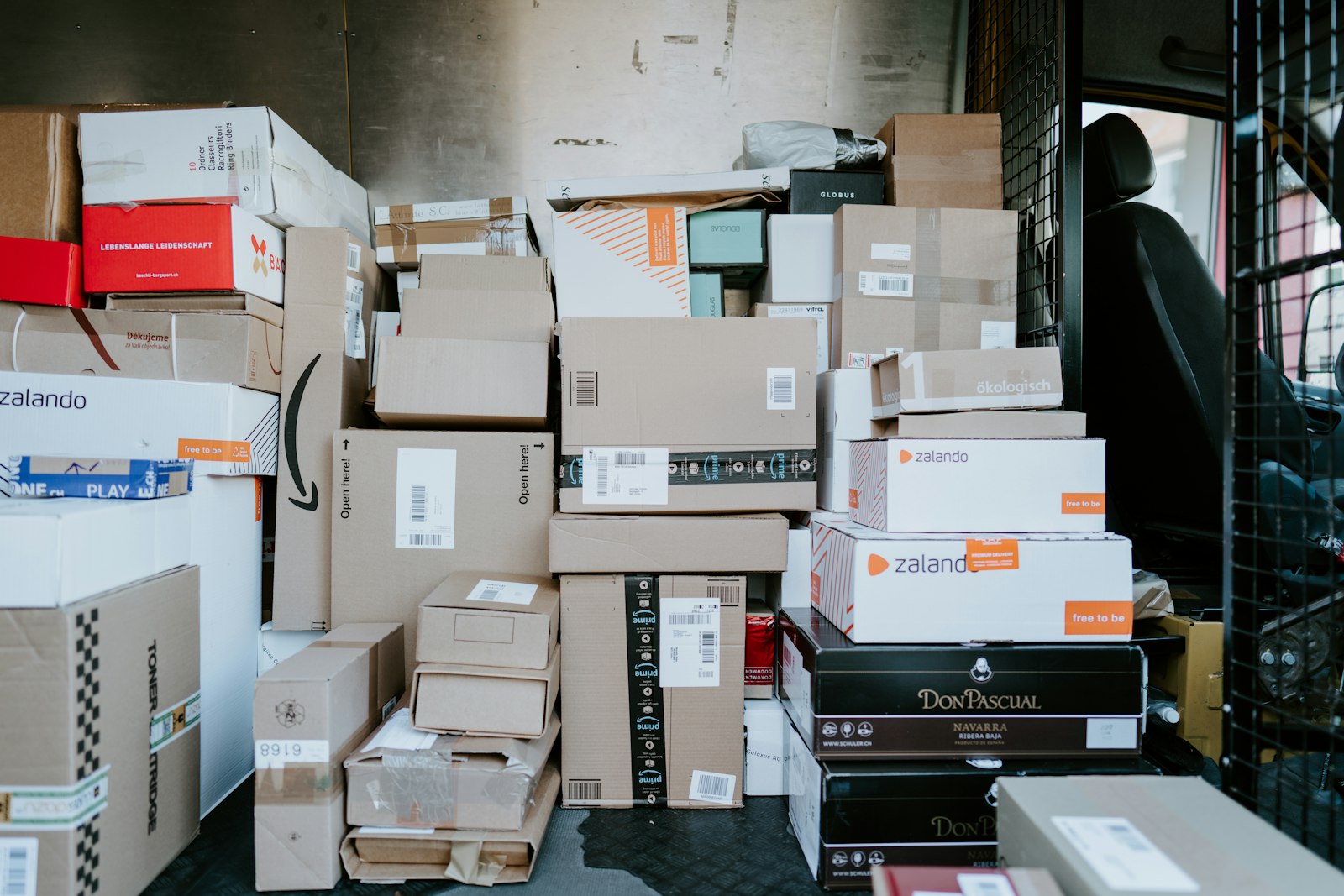
What a store requires, every day.



What a store requires, every day.
How the fund captures this return.
The established pocket, ⅔ of the fund, acquires proven stores directly, off-market and through a network of partners. The core criterion: payback in about three years.
TakeMyShop takes over operations from the sale: operations, acquisition, SEO, customer service, logistics.
The creation pocket, ⅓ of the fund, launches niche stores through Lucrazia for about €2k each. A 25% success rate is enough: the target is €800 of margin per month and a value of €15 – 25k after three years.
Profits flow up to the fund and are paid out as dividends: 15% per year from year two, with upside potential once the portfolio reaches full run-rate.
The return is in the entry price.

E-commerce against other asset classes.
Return, entry price, liquidity, ticket: how it compares with real estate, private equity and listed equities.
Market data: Statista 2024, eMarketer 2024, Fevad 2024. The returns and multiples mentioned are indicative and do not constitute a guarantee. Risk of total or partial loss of capital; the investment is illiquid. Past performance is not indicative of future results.